What are you looking for?
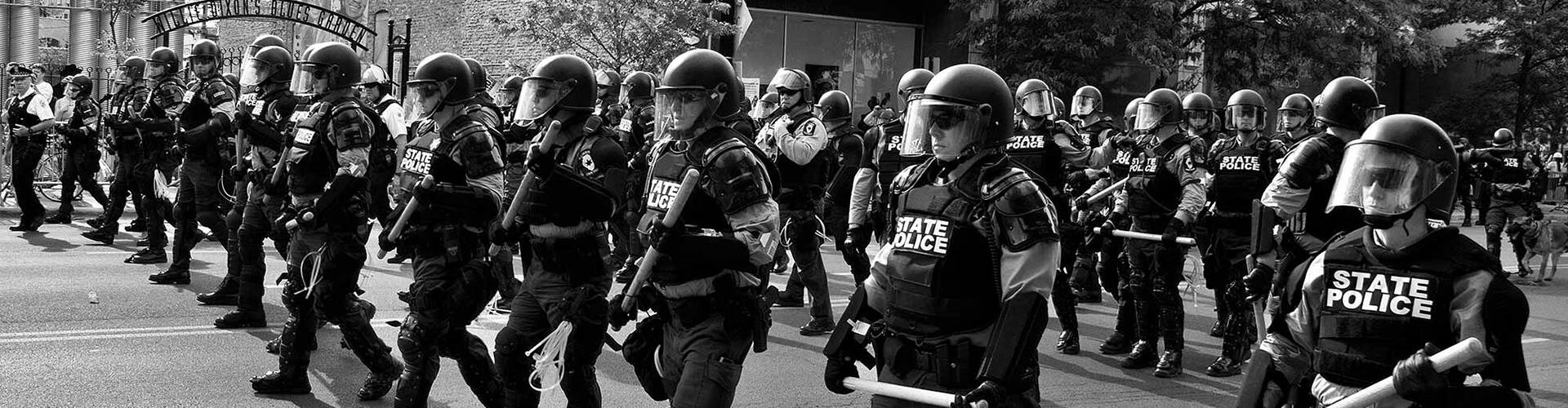
Military uniforms are far more than standard clothing. They serve as protective equipment, environmental adaptation systems, and mission-support tools for soldiers, law enforcement personnel, and security teams operating in demanding conditions.
One of the most critical factors affecting the performance of a military uniform is the fabric. The choice of material directly impacts durability, comfort, camouflage effectiveness, weather resistance, and operational efficiency.
This guide explores the most commonly used military uniform fabrics, their advantages, and how to select the right material for different operational environments.

Modern military operations expose personnel to a wide range of environmental challenges, including:
Extreme heat
Tropical humidity
Desert sandstorms
Mountain terrain
Heavy rainfall
Abrasion from equipment and vegetation
A poorly selected fabric can result in:
Reduced mobility
Heat stress
Premature wear
Increased maintenance costs
Reduced operational effectiveness
For military procurement departments and defense contractors, fabric selection plays a major role in the overall lifecycle cost of uniforms.
Cotton has been used in military clothing for decades because of its natural comfort and breathability.
Advantages:
Soft and comfortable
Excellent moisture absorption
Suitable for hot climates
Low static generation
Limitations:
Slower drying time
Lower abrasion resistance
Shrinks more easily than synthetic fabrics
Cotton uniforms are often selected for training environments and low-intensity operations where comfort is prioritized.
Polyester has become one of the most widely used synthetic fibers in military apparel.
Advantages:
High durability
Fast drying
Wrinkle resistance
Lightweight construction
Excellent color retention
Limitations:
Less breathable than cotton
Can become uncomfortable in extremely hot conditions
Polyester is frequently blended with cotton to achieve an optimal balance between durability and comfort.
The poly-cotton blend is currently the most popular military uniform material worldwide.
Common ratios include:
65% Polyester / 35% Cotton
50% Polyester / 50% Cotton
80% Cotton / 20% Polyester
Benefits include:
Improved durability
Enhanced comfort
Reduced shrinkage
Faster drying performance
Better colorfastness
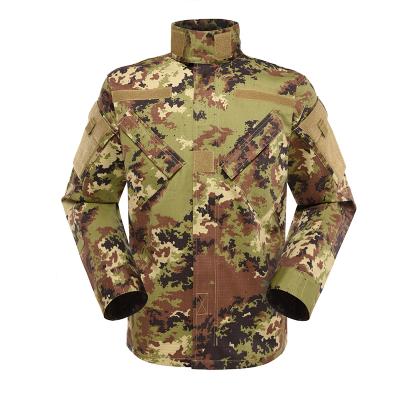
Many modern ACU, BDU, and tactical uniforms utilize poly-cotton blends due to their versatility across multiple climates.
Ripstop fabric is not a fiber itself but a weaving technique designed to prevent tears from spreading.
Ripstop construction incorporates stronger reinforcement threads woven into the fabric at regular intervals, creating a distinctive grid pattern.
Benefits:
Exceptional tear resistance
Longer service life
Reduced repair requirements
Lightweight performance
Today, ripstop fabrics are considered the industry standard for combat uniforms used by military and law enforcement organizations worldwide.
Key Requirements:
Breathability
UV resistance
Lightweight performance
Recommended Materials:
Cotton-rich ripstop fabric
Lightweight poly-cotton blends
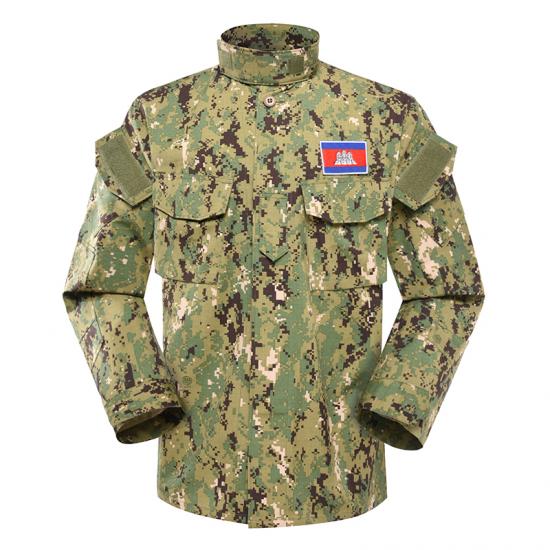
Desert uniforms should help regulate body temperature while maintaining durability against sand abrasion.
Key Requirements:
Moisture management
Quick drying
Mold resistance
Recommended Materials:
Polyester-cotton ripstop
Moisture-wicking tactical fabrics
Tropical environments demand fabrics capable of handling constant humidity and frequent exposure to rain.
Key Requirements:
Thermal insulation
Wind resistance
Layering compatibility
Recommended Materials:
Multi-layer combat fabric systems
Softshell tactical materials
Fleece-lined components
Cold-weather uniforms often rely on layered systems rather than a single fabric solution.
Key Requirements:
Abrasion resistance
Mobility
Equipment compatibility
Recommended Materials:
Durable ripstop fabric
Stretch tactical fabrics
Reinforced knee and elbow panels
Urban environments place heavy stress on uniform construction due to climbing, crawling, and interaction with hard surfaces.
Military textile innovation continues to evolve rapidly.
New developments include:
These materials reduce detection by night vision and thermal imaging systems.
Widely used by military vehicle crews, special operations forces, and personnel exposed to fire hazards.
Designed to reduce odor buildup and bacterial growth during long deployments.
Advanced coatings improve resistance to rain while maintaining breathability.
As modern warfare evolves, intelligent textile solutions are becoming increasingly important for force protection and mission effectiveness.
When evaluating military uniform fabrics, procurement professionals typically consider:
Operational environment
Durability requirements
Weight and comfort
Camouflage compatibility
Lifecycle cost
Maintenance requirements
Compliance with military specifications
Selecting the lowest-cost fabric often results in higher replacement and maintenance expenses over time.
The most effective solution balances performance, durability, and long-term value.
Military uniform performance begins with the fabric. Whether operating in deserts, jungles, mountains, or urban environments, the right textile solution can significantly improve soldier comfort, durability, and operational effectiveness.
Modern military organizations increasingly favor ripstop poly-cotton blends, advanced tactical fabrics, and specialized textile technologies that provide superior performance across diverse mission profiles.
Understanding the strengths and limitations of different military uniform materials enables procurement teams, distributors, and defense organizations to make informed purchasing decisions that enhance both protection and mission readiness.
Poly-cotton ripstop fabric is generally considered the best all-around choice because it combines durability, comfort, tear resistance, and quick-drying performance.
Ripstop fabric prevents small tears from expanding, extending uniform lifespan and improving reliability in harsh operational environments.
Yes. Cotton remains popular in training uniforms and hot-weather applications, although most modern combat uniforms use blended fabrics.
Lightweight cotton-rich ripstop and breathable poly-cotton blends are commonly preferred for desert operations.
Service life varies by mission profile, but high-quality ripstop military fabrics can withstand years of operational use when properly maintained.


Tel : +86-18924157220

Email : [email protected]

Flr.6, No. 128 Jiangyuan Street, Tianhe District, Guangzhou, China
Hi! Click one of our member below to chat on Whatsapp